
But there’s good news for first home buyers - the government’s decided to make life a little easier for first home buyers.
Recently announced changes will help first home buyers get their foot in the door. 💪
We’ve broken down what’s new from both the federal and Victorian governments so you can see what applies, what stacks, and what’s just political confetti.
1. The 5% Deposit Scheme
👉 What it is: Buy a home with just a 5% deposit (or even 2% if you’re a single parent) and skip Lenders’ Mortgage Insurance — normally required if you’ve got less than 20%.
👉 What’s new: From October 2025, there are no more limits on places, income caps, or stingy property thresholds. Translation: way more people can actually get in the game.
👉 The catch: You still have to meet your bank’s lending criteria. The government might guarantee part of your loan, but they’re not swooping in if you ghost your repayments.
2. Help to Buy (Shared Equity Scheme)
👉 What it is: The government chips in up to 40% of your property price, so you borrow less. When you sell, they take back their slice. It’s like having a silent business partner who only pipes up when there’s money on the table.
👉 Good to know: Rolling out through 2025. It’s meant to complement the 5% scheme, not compete. Think of it as teamwork, not a turf war.
3. First Home Super Saver Scheme (FHSSS)
👉 What it is: Save your deposit inside your super fund, then pull it out later to buy your first home.
👉 How it helps: You can withdraw up to $50,000 of your voluntary contributions (plus earnings) for your deposit. Because it’s taxed differently, you’ll likely get there faster than if you were just parking it in a savings account.
👉 Tax perks: The real kicker - you get a tax deduction for any contributions you make into your super fund. That means by funnelling savings through super, you’re paying less tax, which means more savings and getting that deposit quicker.
👉 Watch out: It rewards patience, not impulse. You can’t dip in and out like a regular savings account.
Now we’re talking closer to home. Victoria adds a few sweeteners, and yes, you can often stack them on top of the federal ones.
1. First Home Owner Grant (FHOG)
👉 What it is: A $10,000 grant for buying or building a new home valued up to $750,000.
👉 The fine print: You need to live there for at least 12 months within the first year. And no, “my cousin will move in” doesn’t fly.
👉 When you get it: Usually paid at settlement or when your builder draws down the first payment
2. Stamp Duty Exemptions and Concessions
👉 Full exemption: For homes up to $600,000.
👉 Discounted duty: Between $600,001 and $750,000.
That’s thousands saved right off the bat. Think of it as your “government housewarming gift” without the awkward speeches.
3. Victorian Homebuyer Fund (Shared Equity)
👉 Similar to the Federal Government’s Help to Buy Scheme, the Victorian Government can tip in up to 25% of the property value so you can get in with a smaller deposit and loan. When you sell, they get back their share.
They’re not your co-owner at Christmas lunch, but they’ll want their cut when the house goes up in value.
4. The Stackability Factor
This is where it gets fun. You can often combine:
👉 The 5% Deposit Guarantee
👉 The $10,000 FHOG
👉 Stamp duty savings
👉 Even the First Home Super Saver Scheme
That cocktail of schemes can save you tens of thousands upfront — turning “someday” into “moving day.”
✅ Step 1: Work Out What You Qualify For
Federal and state programs overlap, so your first job is knowing which ones you can use.
If you’re regional, a single parent, or building new, you’ll have extra options.
✅ Step 2: Know the Rules
✅ Step 3: Do the Maths
Don’t just chase the smallest deposit. A 5% deposit sounds dreamy until you’re eating baked beans for 30 years.
Get someone (like your accountant or broker) to map out the repayments, taxes, and hidden costs, then decide if you’re truly ready to jump.
✅ Step 4: Apply, Settle, Move In
Line up your documents, lodge your applications, and get ready to sign. Then move in, fulfil your occupancy period, and enjoy the feeling of owning actual walls that are yours.
👉 You don’t need a 20% deposit anymore.
👉 These schemes are stackable, so use them wisely.
👉 Eligibility matters. Always read the fine print.
👉 Shared equity means the government owns part of your home, so plan ahead.
👉 A good broker or accountant can help you get it right (and keep you sane).
If you’re serious about buying in 2025, take a weekend to crunch the numbers and figure out what’s actually possible. And if the thought of juggling all these schemes makes your eyes glaze over, that’s literally what we’re here for.
And if you need a good mortgage broker, we’ve got a solid panel we trust - the kind who’ll give you straight answers, not sales talk.
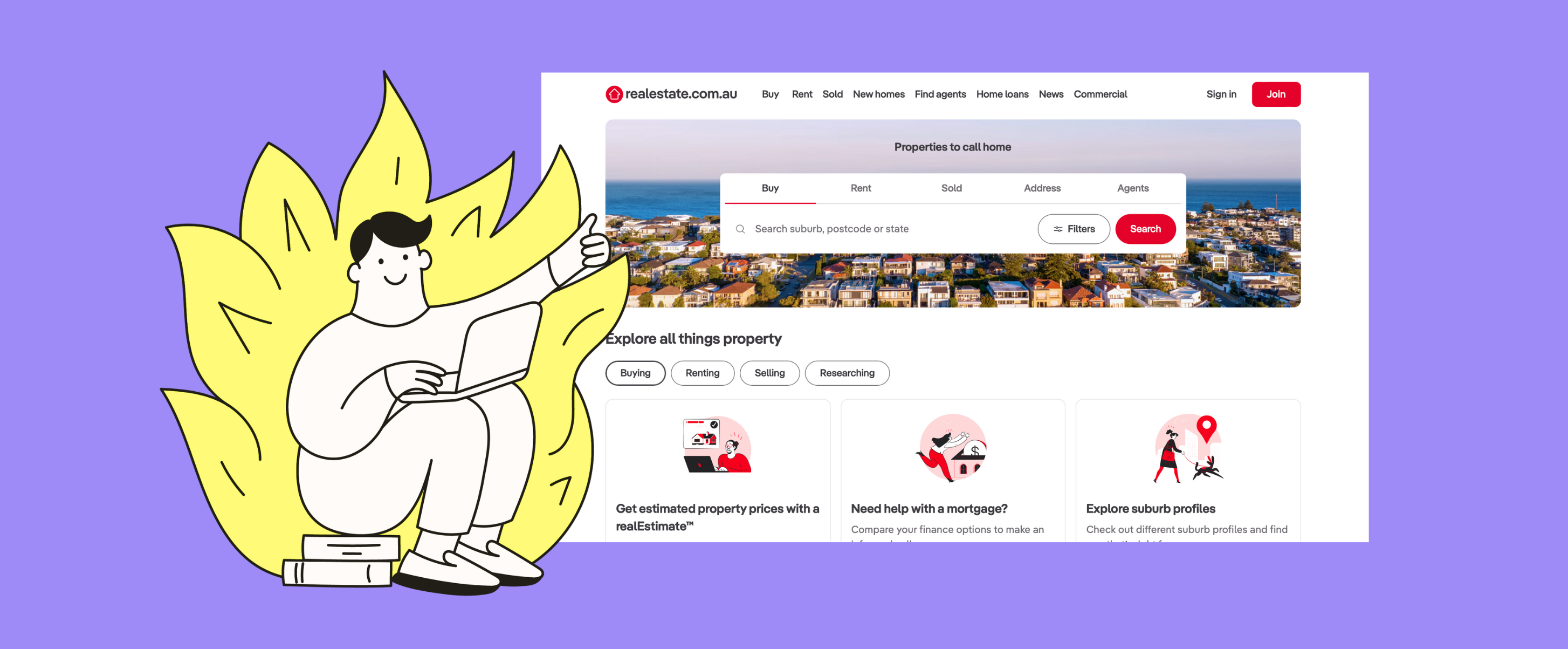
Once you’ve got your game plan sorted, start scrolling those listings before someone else nabs your dream place.
– The team at PAL (making accounting slightly less boring since way back when)
Disclaimer: This article is here to give you general info only, not professional advice specific to your unique situation. While efforts are made to ensure accuracy, the content may change over time. We can’t take responsibility for any decisions based on the contents of this article, so be sure to chat with your accountant or advisor first!
.jpg)
.jpg)
.png)
.png)